
Iron Deficiency in Children: The Overlooked Nutrient That Impacts Energy, Mood, and Brain Development

Iron deficiency is the most common nutrient deficiency worldwide, and it is more common in children than many parents realize. Iron is best known for helping the body make hemoglobin, the oxygen-carrying protein in red blood cells.
However, iron’s role goes far beyond oxygen delivery. It supports normal growth, immune function, and healthy brain development, including myelination and neurotransmitter synthesis.
This means a child can be impacted by low iron before they ever meet the criteria for anemia.
What causes iron deficiency in kids?
In most cases, iron deficiency in children occurs when iron needs outpace intake. This is common during infancy and toddlerhood due to rapid growth, in school-age children with limited dietary variety, and in adolescence during growth spurts, especially for menstruating teens.
The most common contributors include:
Rapid growth with increased iron requirements
Inadequate dietary intake or high cow’s milk consumption
Poor absorption or increased losses, such as celiac disease or heavy menstrual bleeding
Vegetarian or vegan diets can absolutely be healthy for children, but they require intentional planning since plant-based iron is less easily absorbed than iron from animal sources. In some cases, iron deficiency reflects absorption issues or chronic blood loss rather than intake alone, and this distinction matters clinically.
Iron deficiency vs. iron deficiency anemia
Iron deficiency (ID) means the body’s iron stores are low. Iron deficiency anemia (IDA) is a later stage in which iron depletion becomes severe enough that hemoglobin drops below normal. Many conventional screening approaches focus on anemia, often using hemoglobin alone, thereby missing earlier-stage iron deficiency. A child may have a normal hemoglobin level while iron stores are quietly declining, particularly during periods of rapid growth or increased iron loss, such as menstruation.
Symptoms: why iron deficiency is easy to miss
Iron deficiency often presents subtly. Many children do not show one dramatic symptom but rather a collection of mild changes that gradually become more noticeable. Parents frequently describe a child who seems more tired than usual, more irritable, less resilient, or simply not quite themselves.
Common symptoms parents notice include:
Fatigue, low stamina, pale appearance, headaches, or dizziness
Mood or behavior changes such as irritability, emotional reactivity, or low motivation
Cognitive or performance changes, including poor focus, brain fog, or declining school performance
Sleep disruption is also common, with some children experiencing restless sleep or difficulty staying asleep
Some develop pica, such as chewing ice or non-food items, though this is not always present.
Because these symptoms overlap with many common childhood concerns, iron deficiency is often overlooked unless it is intentionally considered.
Testing: Why iron deficiency is not routinely tested for
Many parents are surprised to learn that iron stores are not routinely evaluated in standard pediatric care. There are several reasons for this.
First, most guidelines emphasize anemia rather than early iron depletion. Hemoglobin screening may occur at certain ages, often around twelve months, but hemoglobin alone can miss iron deficiency before anemia develops. Ferritin, which reflects iron storage, is not routinely included in standard screening panels but is essential to assess the severity of deficiency.
Second, national screening recommendations are inconsistent. The U.S. Preventive Services Task Force has found insufficient evidence to determine the balance of benefits and harms of routine screening for iron deficiency anemia in asymptomatic young children. This does not mean iron deficiency is unimportant, but it does mean that universal screening has not been mandated across healthcare systems. In practice, this leads to variability in testing, insurance coverage, and clinical decision-making.
Finally, there are practical barriers. Ferritin and iron studies typically require a venous blood draw, which can be stressful for children and families. Ferritin can also be falsely elevated during illness or inflammation, complicating interpretation. Pediatric visits are often brief and focused on growth, vaccines, or acute concerns, leaving little time to explore more subtle symptoms.
How I screen for iron deficiency in my office
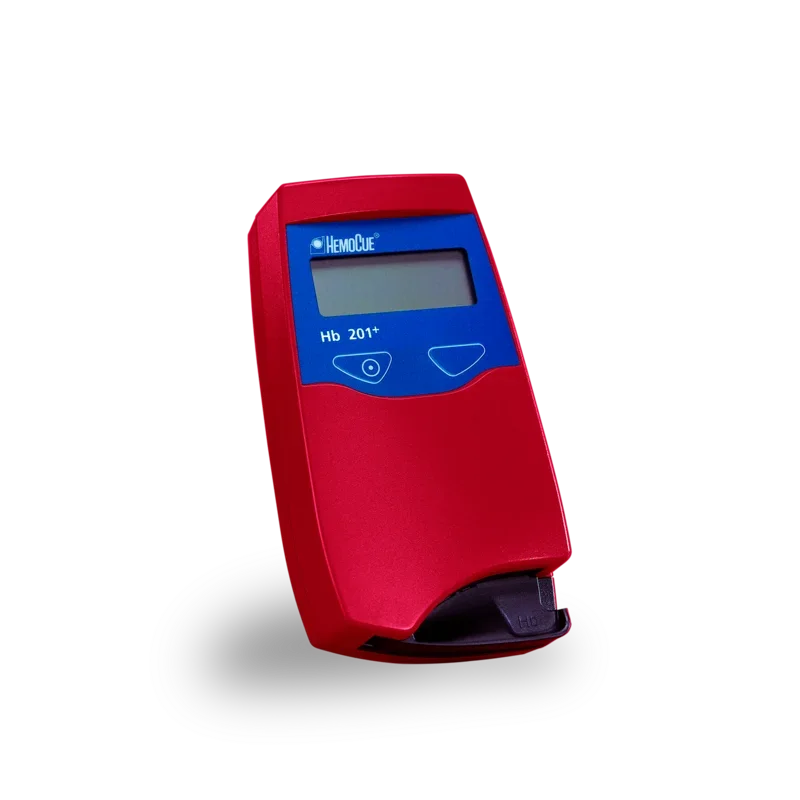
Because iron deficiency is common and frequently missed, and because blood draws can be a barrier, I use an in-office point-of-care hemoglobin test as an initial screening tool. This test uses a small fingerstick sample and provides immediate results during the visit.
This approach allows us to:
Screen quickly without starting with a venous blood draw
Decide in real time whether further testing is warranted
Reduce barriers for children who would otherwise avoid evaluation
This does not replace a full workup when needed. If hemoglobin is low, confirmatory testing and further evaluation are indicated. If hemoglobin is normal but symptoms and risk factors strongly suggest iron depletion, ferritin and additional iron studies can still be discussed and ordered. Iron deficiency can exist before anemia develops, and clinical judgment remains essential.
Iron deficiency and brain development: what newer research is showing
A growing body of research suggests that iron deficiency without anemia may have meaningful effects on brain development and function. A 2025 imaging study published in JAMA Network Open evaluated adolescents with iron deficiency without anemia, defined as ferritin levels below 15 ng/mL, and examined brain iron content alongside structural and functional outcomes.
The study included 209 adolescents aged ten to seventeen. Researchers focused on the basal ganglia, a brain region where iron naturally accumulates and which plays a vital role in motivation, cognition, movement, and emotional regulation. Adolescents with iron deficiency without anemia showed lower imaging-based markers of iron content in key basal ganglia structures, particularly the caudate and putamen. These findings were strongest in female adolescents and increased with age, suggesting a possible relationship with longer duration of deficiency.
Lower brain iron measures were also associated with differences in subcortical brain volume, greater psychiatric symptom severity, and reduced neuropsychological performance. Because the study was cross-sectional, it cannot establish causation. However, it strongly supports the idea that waiting for anemia to develop may miss an important window to support brain health, particularly during adolescence.
When to consider screening
Situations where screening is often appropriate include:
Toddlers with limited diets or high cow’s milk intake
Children with fatigue, irritability, poor sleep, or attention changes
Adolescents, particularly menstruating teens or high-level athletes
Not every child needs extensive laboratory testing. However, iron screening deserves consideration when symptoms and risk factors overlap, especially during key developmental windows.
When a parent senses that something is off and the pattern includes changes in energy, mood, sleep, or cognitive function, evaluating iron status is a reasonable and often high-yield step.
The big picture
Iron deficiency is not just about anemia. It is a whole-body issue and increasingly appears to be a brain health issue as well. Early identification allows families to address diet, absorption concerns, and, when relevant, menstrual blood loss, and to target repletion when appropriate, before iron depletion progresses further.
My goal is to make screening more accessible and child-friendly. Using an in-office test allows us to begin the evaluation without immediately requiring a traditional blood draw, while still taking symptoms seriously and making informed, individualized decisions.
Here to empower you with the knowledge of health,
Dr. Meg Holpuch
Disclaimer: The information provided on this blog is for educational and informational purposes only and is not intended as medical advice, diagnosis, or treatment. The content shared here is not meant to replace or supersede the guidance or recommendations of your personal healthcare provider. Always consult your physician or qualified healthcare professional before making any changes to your diet, exercise routine, supplement regimen, or overall health plan. Your health and well-being are unique, and decisions regarding your care should always be made in consultation with your trusted healthcare provider.